-
 In “Living with Javelinas: Multispecies Conviviality in Texas,” forthcoming from UT Press, anthropologist Adam Johnson explores how people can coexist thoughtfully with wildlife, with the iconic borderlands creatures as the case study.
 -
 A decade ago, a federal task force announced a plan to help monarch butterflies along their great migration. The six-state effort along Interstate 35 didn't take off as expected, but some roadsides are blooming anyway.
 -
Cities are growing, and wildlife is moving in right alongside people. From bats and raccoons to coyotes and pigeons, animals are adapting to urban life in new ways. Texas Public Radio’s Tim Gutierrez spoke to one author who says cities may be among the most important ecosystems in the country.
-
 Scaled quail – also known as blue quail and “cottontops” – are quintessential creatures of the arid grasslands and the dominant quail species in West Texas. Researchers at Alpine’s Borderlands Research Institute are learing how adaptable these seemingly vulnerable creatures are.
 -
 Every year for the past several decades, the Texas Department of Transportation has spent tens of thousands of dollars annually to plant nearly 30,000 pounds of bluebonnets and other wildflowers along roadways.
 -
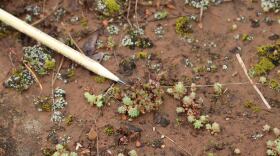 The federally threatened plant commonly known as Tiny Tim was discovered in Oklahoma within the past few years. Now it's on the road to being removed from a federal list of endangered species.
 -
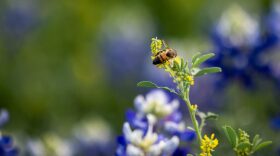 It's the first app developed by Texas Parks & Wildlife, with a focus on boosting struggling pollinator populations.
 -
Texas’ highway investments over the past decade are paying off, according to a report released at the end of last year. As The Texas Newsroom’s Lucio Vasquez reports, drivers are saving money and spending less time in traffic, and fewer people are dying on the road. Lubbock Lake Landmark is kicking off 90 years of discovery, for which it has events and expert lectures planned throughout the year. This Saturday at 10:30 a.m. is a Waterfowl Workshop, hosted by the South Plains Chapter of the Texas Master Naturalists.
-
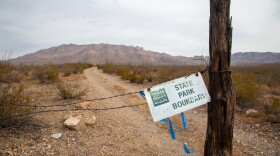 The Chinati Mountains State Natural Area encompasses 39,000 acres of pristine Chihuahuan Desert landscape. Marfa Public Radio recently got a sneak peek of the new park, which is not set to formally open until 2032.
 -
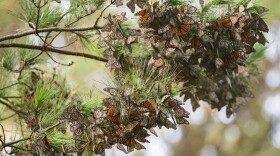 Every fall, West Texans look to the skies for one of nature’s most remarkable journeys: the migration of the monarch butterfly. But monarch butterfly populations are declining due to threats like habitat loss, herbicide use and climate change.

© 2026 KTTZ

Play Live Radio
Next Up:
0:00
0:00
Available On Air Stations


