-
 In “Living with Javelinas: Multispecies Conviviality in Texas,” forthcoming from UT Press, anthropologist Adam Johnson explores how people can coexist thoughtfully with wildlife, with the iconic borderlands creatures as the case study.
 -
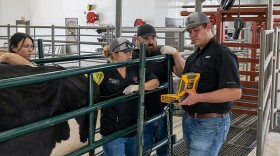 TTU Veterinary School, five years in: first graduates return to meet needs in West Texas communitiesThe Texas Tech University Veterinary School of Medicine welcomed its inaugural class on August 18, 2021. Now, five years later, the school’s first wave of veterinarians are already working to fill a shortage in Texas’ rural animal care.
 -
This weekend, Lubbock Animal Services is offering free adoptions with their Clear the Shelter event. Our Gabrielle De La Cruz reports the event aims to open up shelter space for more animals still waiting on the streets. The event will run between 10 a.m. and 7 p.m. at the Lubbock Animal Shelter at 3323 Southeast Loop 289. A San Antonio Zoo program to help breed and release Texas Horned Lizards in the wild is showing some success, using science to unlock the secrets that will ensure a healthier future for Horned Lizards.
-
 Lubbock Animal Services is hosting its annual Clear the Shelter Day on Saturday, August 22. Along with free adoptions and vaccinations, the event will have family-friendly activities and food vendors. And with limited space and new intakes every day, LAS is hoping the adoption push will help create space for more animals.
 -
 A program run out of the San Antonio Zoo is trying to make horned lizards as common as they used to be.
 -
Cities are growing, and wildlife is moving in right alongside people. From bats and raccoons to coyotes and pigeons, animals are adapting to urban life in new ways. Texas Public Radio’s Tim Gutierrez spoke to one author who says cities may be among the most important ecosystems in the country.
-
 Animal rescue leaders say new rules meant to prevent the spread of the livestock parasite make sense. But they are also costly for overcrowded shelters in Texas, which transfer many pets to other states.
 -
 The Abilene Zoo celebrated a major milestone this past weekend. Families packed the zoo for Zippity Zoo Day, a birthday celebration marking 60 years of connecting West Texans with wildlife.
 -
 Lake Meredith, near Amarillo, was recently designated as “fully infested” with invasive zebra mussels. The mussels have been spreading across Texas for more than 15 years and Lake Meredith is the north-most body of water in the state to be infected. TPWD says the mussels have the potential to damage treatment equipment in what is a municipal water source for the region, but water officials with the lake say they're prepared.
 -
 Communities around the U.S. are putting on epic fireworks shows for America's 250th birthday — but that spells trouble for dogs and cats. Here's a guide to help the animals in your life.

© 2026 KTTZ

Play Live Radio
Next Up:
0:00
0:00
Available On Air Stations


