-
 The rules have led to changes in course materials, prompted accusations of censorship and fueled pushback from faculty and students, including faculty departures, student protests and a federal lawsuit.
-
 Writing laws to restrict DEI on campuses was just the start. Now as Texas Tech chancellor, Brandon Creighton wants to push the limits on what professors teach.
-
 A federal appeals court will consider whether restrictions on protests at Texas’ public universities and colleges violate constitutional rights.
-
 A debate over books in Texas' public school libraries picked up new attention last week, when Lt. Gov. Dan Patrick threatened legislative action unless Texas school districts pull books from the shelves that he and certain activists believe are "harmful" to students and families and violate Texas' Senate Bill 13. In a meeting of Lubbock ISD's board of trustees, the district stood by the parent-led library council and book review system established under state law.
-
 While workers, who were employees in government or public institutions, feel vindicated by how their lawsuits concluded, they are still grappling with the aftermath.
-
 The Honor Council recommended a written reprimand for “celebratory” comments. The lawsuit argued that would violate her free speech rights.
-
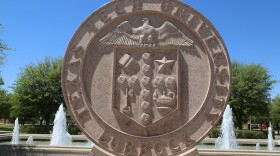 The Texas Tech University System announced that it will be closing all academic programs 'centered on' Sexual Orientation and Gender Identity. The process will include a program review, admissions freeze, and closure. Students currently enrolled in these programs will be able to finish their degrees.
-
 Texas Tech students and faculty gathered at Memorial Circle Thursday afternoon to protest against new restrictions on course materials.
-
This week, the Lubbock Chamber of Commerce announced that the Hub City BBQ Cookoff, scheduled as a two day event in September, will not be open to the public this year. The UT System board of regents have approved a measure for faculty to avoid quote “controversial topics.” KUT’s Greta Diaz Gonzalez Vazquez tells us faculty and advocates are worried this might lead to censorship.
-
 This is the latest move by the state to have more control over what is taught at public universities.

© 2026 KTTZ

Play Live Radio
Next Up:
0:00
0:00
Available On Air Stations


