-
-
 Families whose children attend private schools that don't participate in Texas' voucher program can still qualify for up to $2,000 in taxpayer- funded educational expenses.
 -
 The authority to issue executive orders traditionally belongs to the chief executive, like the governor or a county judge.
 -
 Schools in the U.S. serve almost 30 million lunches every day. But rising food costs, regulations and cuts to food assistance mean school kitchens have to do more with less.
 -
Blue Cross Blue Shield of Texas is dropping its Medicare Advantage plans. KERA’s Abigail Ruhman reports people who rely on those plans will have to move to a different one starting in 2027. Lubbock County reports high turnout for the first day of early voting, as major candidates announce events to garner support from West Texans. President Donald Trump will make his first appearance in Lubbock to stump for Republican Senate candidate Ken Paxton on Oct. 27, while Paxton's opponent, Democrat James Talarico, is set to appear on Texas Tech campus the same day.
-
 FracTracker and Public Citizen identified 35 permitting actions taken by regulators in Texas in the weeks after Gov. Greg Abbott ordered a moratorium.
 -
 Counties must now process affected voter registrations before Monday, when Texans can start voting early in the midterm elections.
 -
 Early voting in the Nov. 3 general election runs from Oct. 19 to Oct. 30, and there are many competitive races on the ballot for this midterm year. You can find election details and search your address for the items on your ballot here.
 -
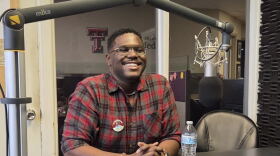
 U.S. Congressional District 19 is up for election in the midterms and there are two newcomers competing for the office. Kyle Rable is the Democrat running for the position. He sat down with KACU to discuss his platform, largely built around serving working class West Texans.
 -
 U.S. Congressional District 19 is up for election in the midterms and there are two newcomers competing for the office. Tom Sell is the Republican candidate for the position. KTTZ sat down with him to discuss some of the issues that are top of mind for West Texans and the experience he would bring to the office.

© 2026 KTTZ

Play Live Radio
Next Up:
0:00
0:00
Available On Air Stations


